

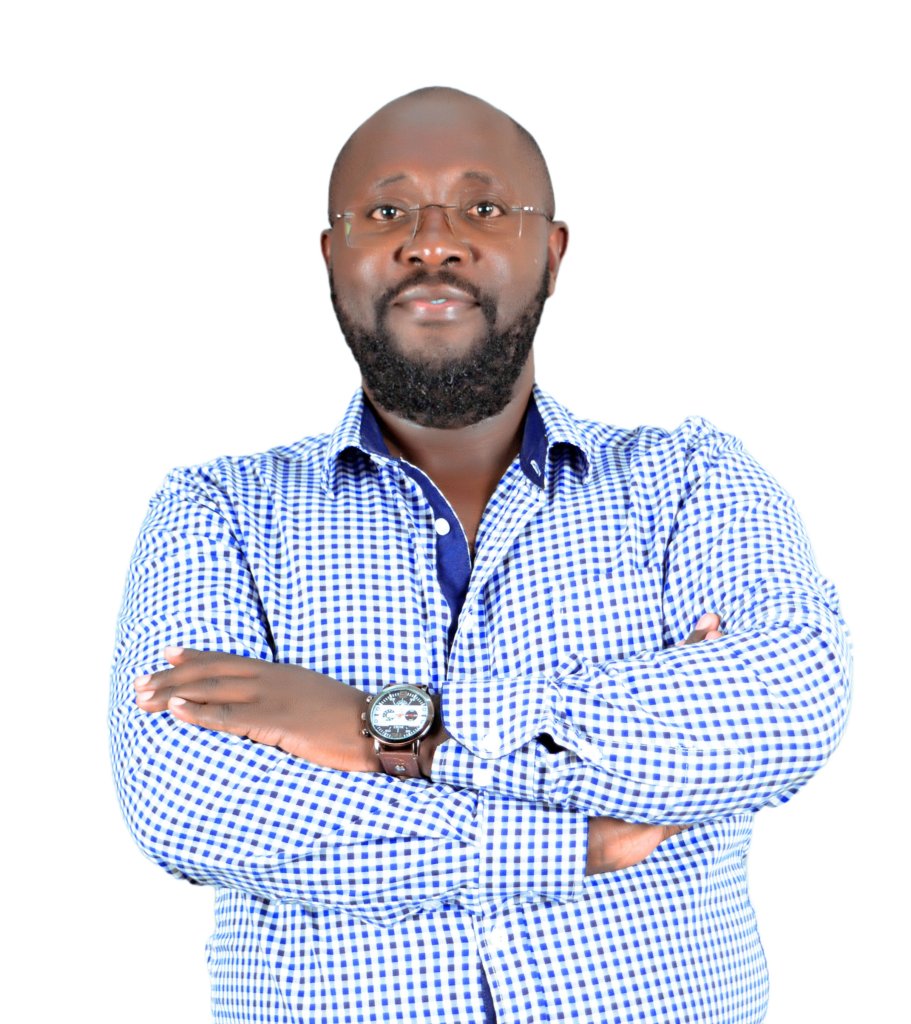
Word From Our Founder:
There is a question that most people defer until they no longer have the energy to do anything about it: what kind of world are you leaving for the people who will come after you?
We are not speaking only about wealth or property. We are speaking about whether the people in your family feel seen and cared for, whether the institution you lead stands for something beyond its own survival, and whether, when your energy finally falls and you look back, you can do so without the particular heaviness that comes from knowing you lived too narrowly.
Peace is the most expensive thing a human being can possess. Not expensive because it costs money, but because it costs honesty. It requires that you live in a way that you do not have to undo later.
I did not read this in a book. I first understood it sitting with my mother, then in her eighties, during the months I spent caring for her. She told me things she had never told anyone across eight decades of living, and what struck me was not the tenderness of those conversations but the weight of everything that had waited, unspoken, for someone to stay long enough to listen.
In the three years since, I have sat with over three hundred elders across Kenya, people of different counties, different economic circumstances, different genders and social backgrounds. The story at its core was always the same: a quiet reckoning with what was built, what was neglected, and whether the world around them was better for their having been in it.
That pattern, witnessed first in one home and then confirmed across hundreds, is the foundation of The Opticum. Legacy is not something the world assigns to you when you are gone. It is something you choose to live every single day, and the actions of today will be judged in how the next generations live.
That is the work. That is the call we have accepted.
Live Legacy.
Amos Kaburu, Founder of The Opticum